


This winter, given that it is my first year back living in a place with a “real” winter in the last 5 years, I decided to (finally) read the book Wintering by Katherine May. This book has circled in my periphery since I first saw it glowing on the shelves of one of my favorite bookstores in Colorado (right around the time I left my mountain-town winterworld in search of warmer weather down south). I always planned on reading it eventually, but figured I would wait until I was actively “wintering” in place again to do so. Fast forward 5 years, and here we are.
Katherine’s story is easy to read and relate to (whether you live in a wintry climate or have weathered “internal winters” due to other challenges in life), but the book is also filled with little gems to reflect on & ponder over. One gem that I encountered when reading this book was the word nadir. This is a word I have heard before, but given that it is not a part of my daily vocabulary, its meaning escaped me when I came across it.
If you’re like me and need a refresher, nadir is the lowest point.
This can apply to the arc of a story, situations in life, careers, medical lab findings, finances, etc.
And of course, it applies to seasons as well. Winter is often considered the “low” point of the year. Plant life rests after months of growing, flowering, and fruiting. The days are shorter, and the nights are longer. Cold temperatures keep us indoors, nestling into a place of rest & retreat.
In astronomy, nadir is defined as the point on a celestial sphere directly below an observer. This opposes the zenith, which is the point directly above an observer.
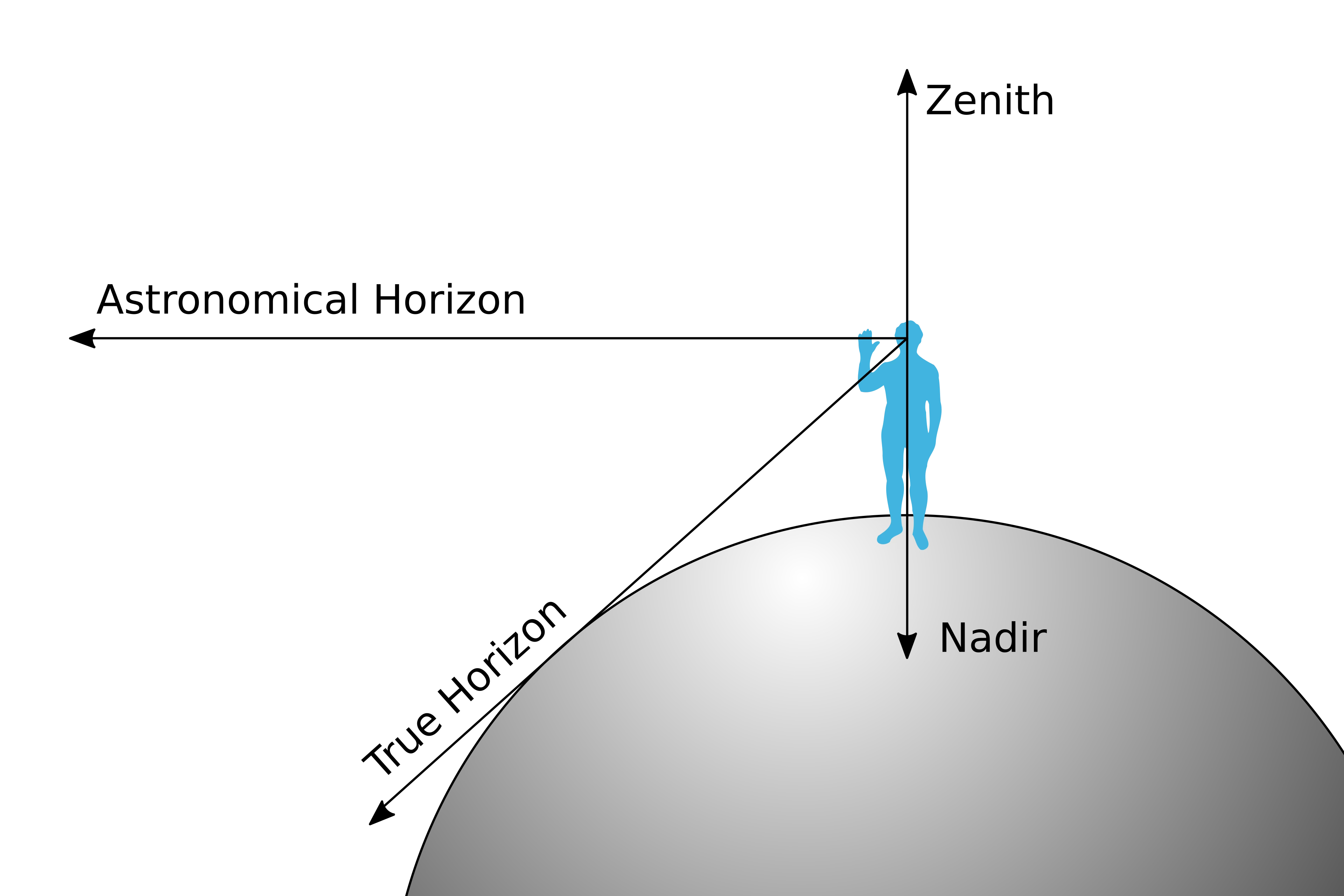
So the observer exists in between these two polarities: the nadir and the zenith. And although our life story often has us dancing between these two poles, there is a part of us, the observer, that holds a steady middleground. That sees both sides and bears witness to it all.
The only reason why we can truly identify a nadir is because we can also identify a zenith (whether that be in the past or future tense). One does not exist without the other. A winter and a summer. A time the field lies fallow and a time it bursts with new life. We know we can’t live in a perpetual zenith (although we are likely all guilty of trying at one time or another). But our time in a nadir makes us appreciate the zenith all the more.
I like to think of the nadir period as a kind of “magic dark.” This time is filled with so much brewing potential. We know the next zenith is coming, but we do not know exactly how or when.
Although there are many examples of a nadir being “negative” (a major financial loss, the death of a loved one, a harsh winter), it is not exclusively so.
A low point is not always negative.
A nadir can also be deeply regenerative.
A deep rest.
A time to process.
A course correction.
A reset.
And to those in their nadir now, remember that spring is coming.